Wakaba Oto
The People and Brands Behind Japan’s Outdoors Boom
A look at the climbers, designers, and brands that shaped Japan’s distinct approach to the outdoors.
The People and Brands Behind Japan’s Outdoors Boom
With the recent buzz around the Arc'teryx Trail Hub Takao pop-up, attention has drifted back toward Japan’s mountains — at least aesthetically. Shell jackets and hiking pants have returned to the city, reframed as style.
But long before the crowds, a generation of climbers, designers, and small-scale makers were already reshaping Japan’s outdoor culture from within. Their focus wasn’t on trend, but on use: lighter gear, better systems, clothing that could move easily between mountain and city. What emerged wasn’t just equipment, but a distinct approach — one that continues to shape how the outdoors is worn today.
Below, a closer look at the people and brands behind it.
Montbell
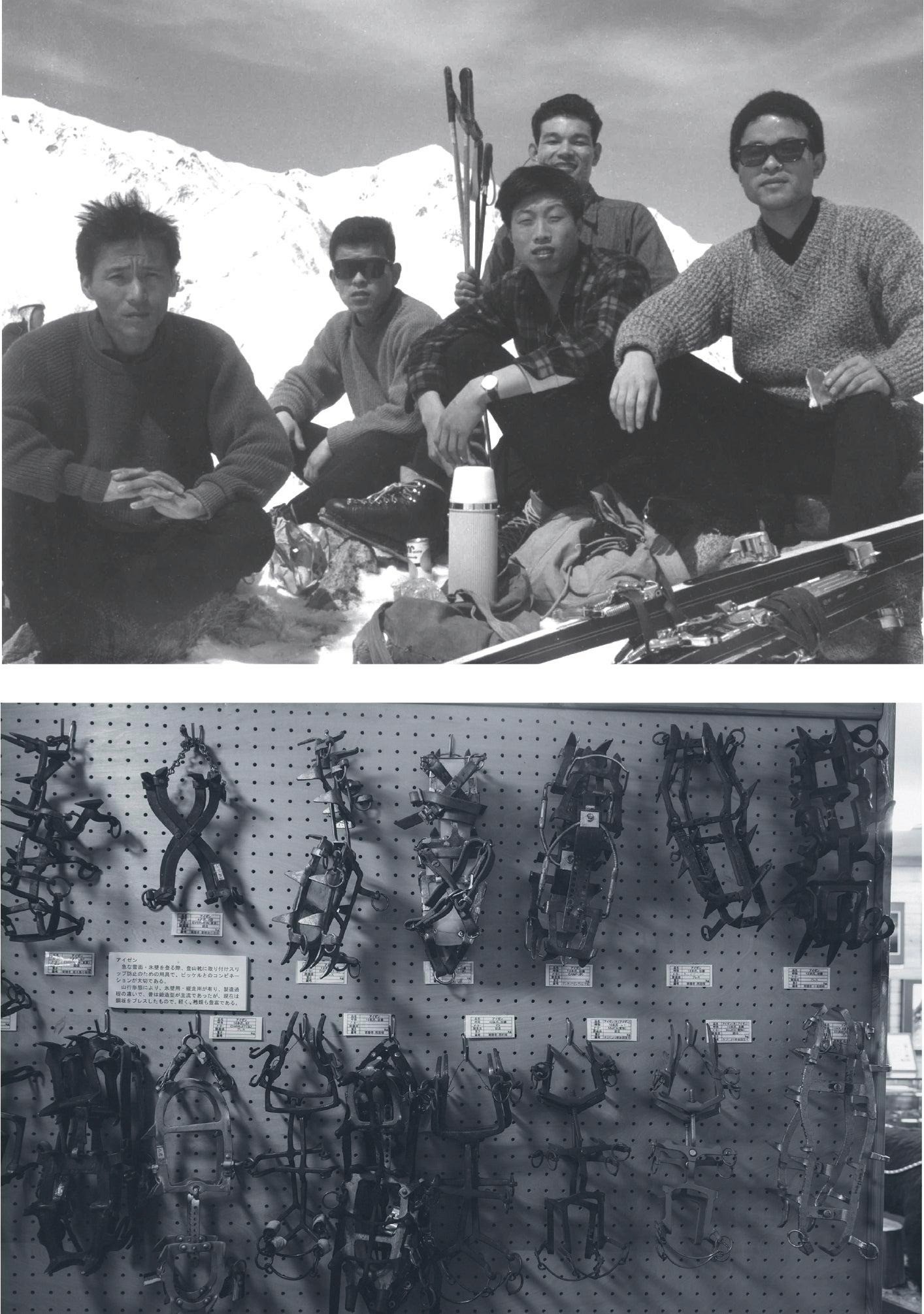
Founded in 1975 in Osaka by mountaineer Isamu Tatsuno, Montbell emerged at a moment when serious climbing gear in Japan was still largely imported — heavy, expensive, and not always suited to local conditions.
Tatsuno had been part of early Japanese expeditions to the European Alps, including climbs in the Eiger region. Confronted with the limitations of existing equipment, he began developing his own. His guiding principle, later formalized as Montbell’s “Light & Fast” philosophy, was straightforward: reduce weight without compromising safety.
This translated into highly specific material innovations — early adoption of lightweight nylon fabrics, proprietary down insulation systems, and construction methods that minimized bulk. While Western brands often emphasized durability through excess, Montbell pursued efficiency through elimination.
Today, it remains one of Japan’s most widely used outdoor brands, particularly among domestic hikers and alpinists.
and wander
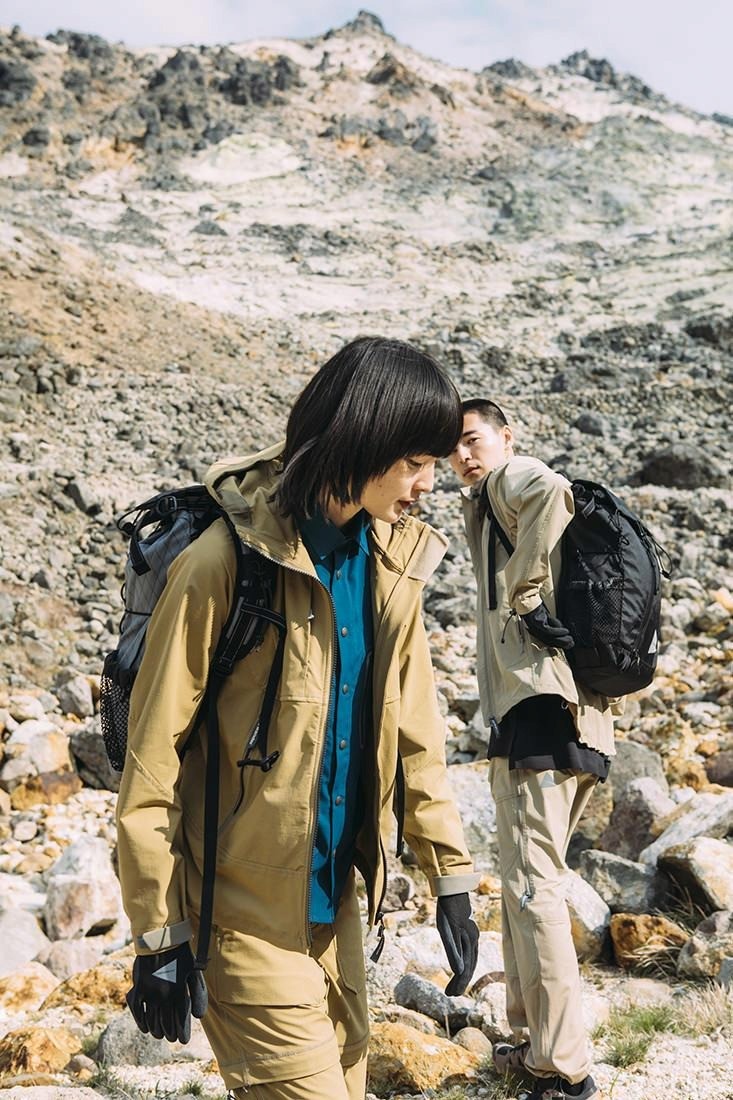
Founded in 2011 by Keita Ikeuchi and Mihoko Mori, both former designers at Issey Miyake, and wander begins with a different kind of question: why did technical outdoor gear rarely consider aesthetics beyond utility?
Both founders were active hikers, and their early designs emerged from direct experience on trails around Tokyo. Rather than separating function and appearance, they treated technical elements — reflective stitching, taped seams, water-resistant fabrics — as visible components of the garment.
Their use of materials is grounded in established performance textiles, including Pertex and Cordura, but the construction borrows from fashion design: patterning that allows for movement, silhouettes that hold structure without excess bulk.
The result is not “fashion outdoorswear,” but something more integrated — clothing that performs in alpine conditions but is equally at home in an urban context. In many ways, and wander helped define the visual language that would later be absorbed into gorpcore.
Snow Peak
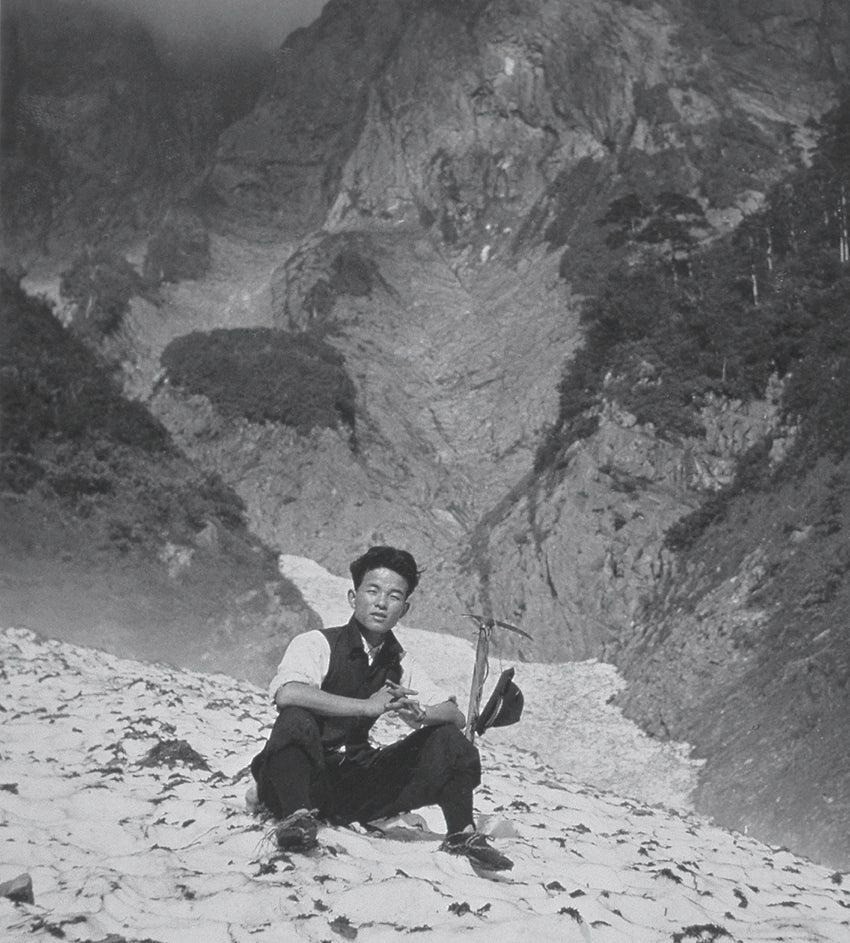
Snow Peak was founded in 1958 in Sanjo, Niigata — a region known for its metalworking industry — by mountaineer Yukio Yamai. Dissatisfied with available climbing gear, Yamai began producing his own equipment locally, emphasizing durability and precision.
The brand’s early development is closely tied to the craftsmanship of the Tsubame-Sanjo region, particularly in forged metal tools. This connection between outdoor use and local manufacturing remains central to Snow Peak’s identity.
Under the leadership of his son, Tohru Yamai, Snow Peak expanded beyond mountaineering into a broader lifestyle brand. Its offerings now range from titanium cookware to modular camping systems and apparel, alongside company-operated campgrounds across Japan.
Goldwin
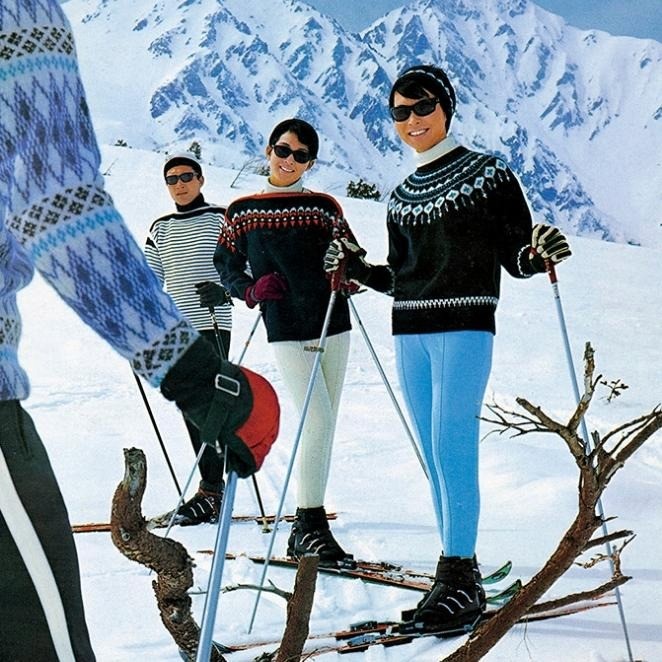
Founded in 1950 in Toyama Prefecture as Tsuzawa Knit Fabric Factory, Goldwin’s trajectory reflects Japan’s postwar industrial development. By the 1960s, the company had transitioned into ski wear, gaining international recognition through its partnership supplying uniforms for the Swedish National Ski Team.
Goldwin later became a key licensee and distributor for global brands, including The North Face in Japan, helping shape the domestic outdoor market from behind the scenes.
In recent years, Goldwin has focused more heavily on its in-house label. Its design philosophy centers on technical precision and restraint — clean silhouettes, neutral palettes, and garments that prioritize performance without excess branding.
Compared to more narrative-driven outdoor brands, Goldwin’s influence is quieter, rooted in manufacturing expertise and long-term material development.
Teton Bros
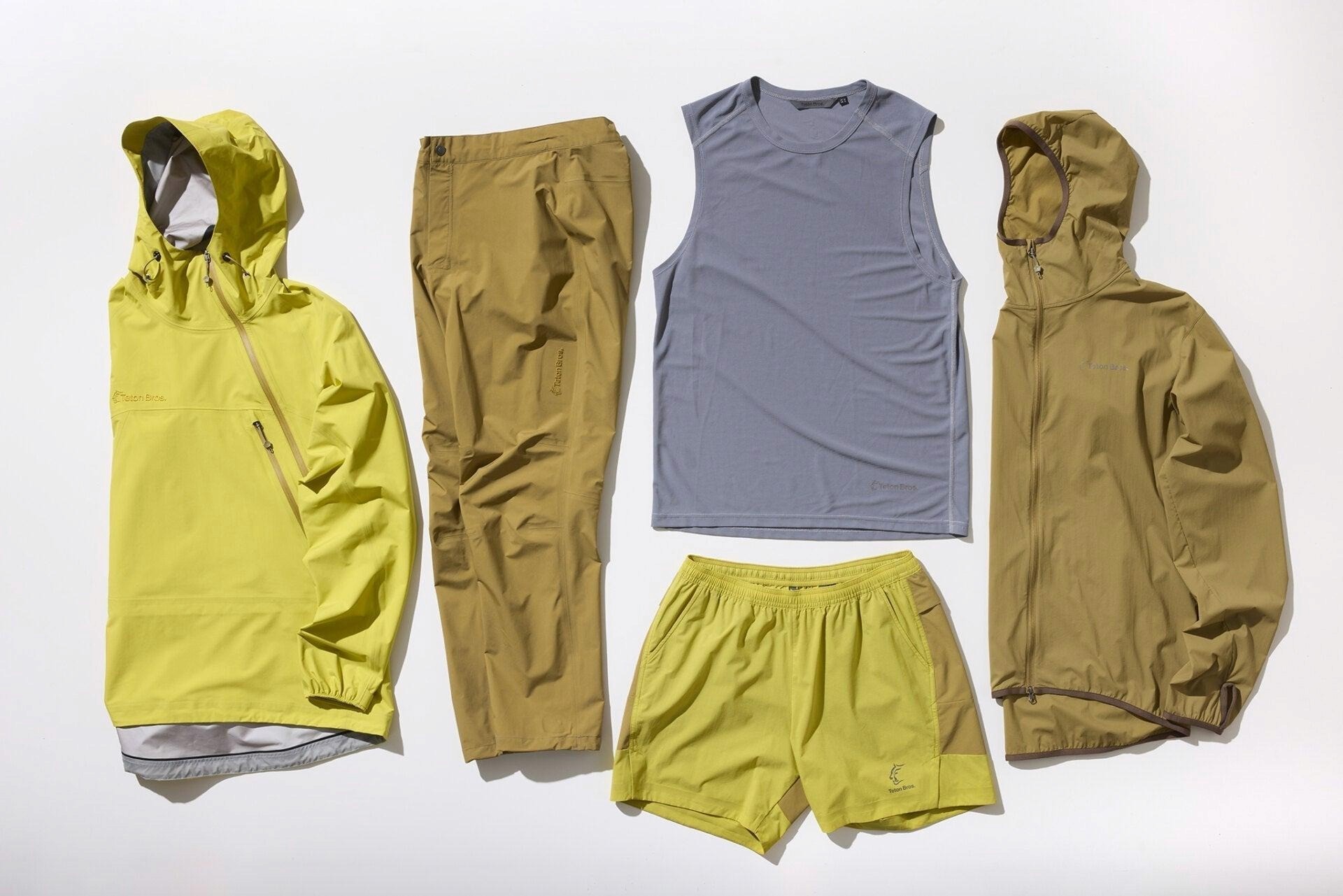
Teton Bros. traces its origins not to Japan, but to Wyoming. Founder Nori Suzuki moved to Jackson Hole after encountering a ski instructor advertisement, immersing himself in a landscape — and culture — very different from his own.
After years of experience in the field, and product development work with global brands, Suzuki returned to Japan and, alongside his wife Junko, launched Teton Bros. The brand retains that cross-cultural perspective: built on firsthand alpine experience, but filtered through Japanese design sensibilities. Bright, functional, and responsive to user feedback, it sits somewhere between global influence and local refinement.
Yamatomichi
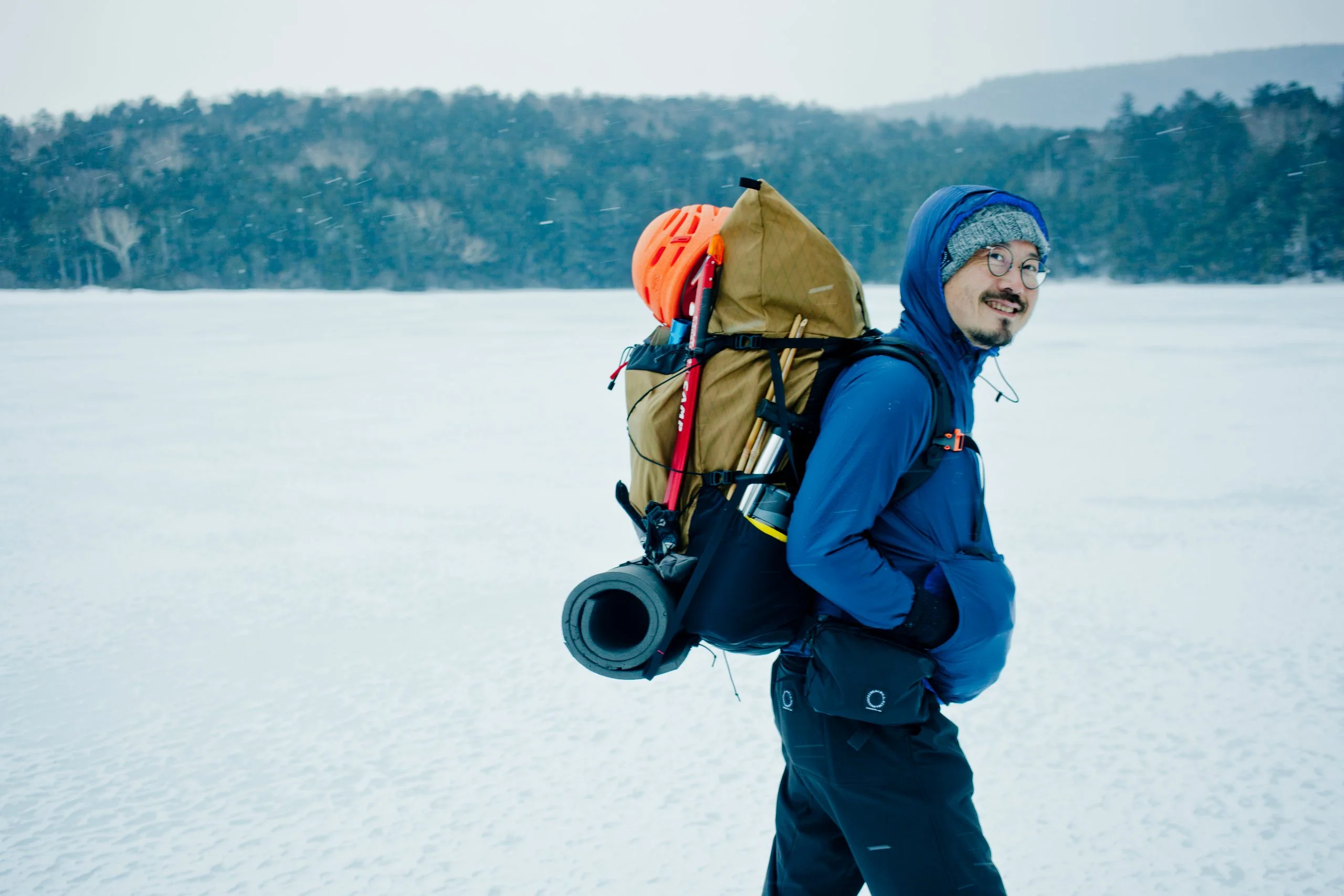
Founded in 2011 in Kamakura by Akira and Yumiko Natsume, Yamatomichi emerged from Japan’s growing ultralight hiking movement.
Unlike larger outdoor brands, Yamatomichi operates at a deliberately small scale, producing limited quantities and selling primarily through direct channels. Its philosophy centers on reduction — stripping gear down to essential components while maintaining durability and usability.
Backpacks, clothing, and accessories are designed with careful attention to weight, repairability, and long-term use. The brand also publishes extensive field notes, essays, and trip reports, positioning itself not just as a manufacturer, but as part of a broader hiking practice.
Gramicci
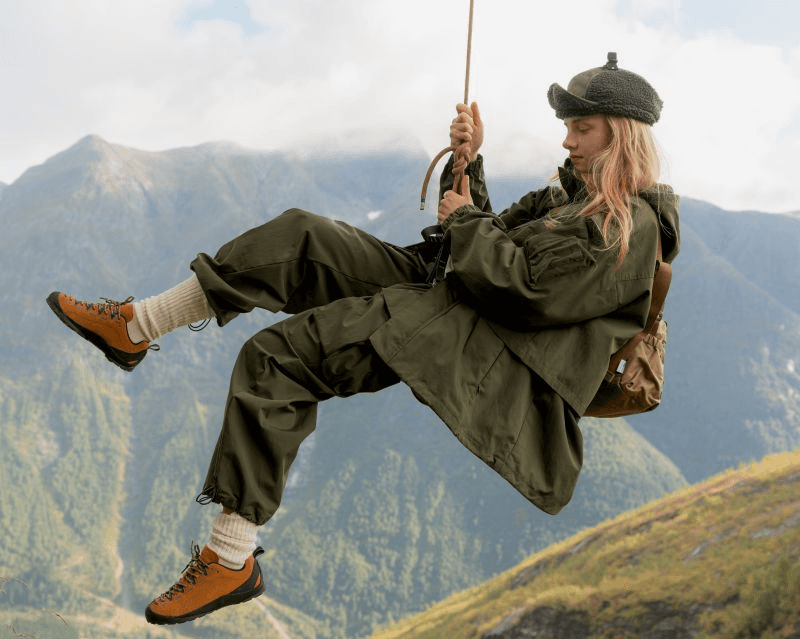
Gramicci was founded in 1982 in California by climber Mike Graham, who introduced now-standard design features such as the gusseted crotch and integrated belt, allowing for greater freedom of movement while climbing.
While rooted in Yosemite climbing culture, the brand’s evolution is closely tied to Japan. By the 1990s, Gramicci had gained a strong following in the Japanese market, where retailers and designers began reinterpreting its silhouettes and materials.
Over time, it shifted from a niche climbing label into a broader lifestyle brand, with much of its contemporary identity shaped through Japanese styling and distribution.
LATEST