Wakaba Oto
The Bengali Freedom Fighter Who Changed How Japan Eats Curry
The improbable story of how anti-colonial politics ended up on a Shinjuku menu.
Pure Indian-style curry arrived in Shinjuku in 1927 by way of an unlikely consultant: a man wanted by the British Empire. He was not a chef, and he was not in Japan to open a restaurant. He was an Indian revolutionary avoiding arrest.
Nearly a century later, people line up for Nakamuraya curry without knowing that its origin story runs through bomb plots in colonial India, police surveillance, pan-Asianist safe houses, and a Shinjuku business family willing to shelter a wanted man. Japan’s most famous “Indian-style” curry is an artifact of political survival.
A British fugitive
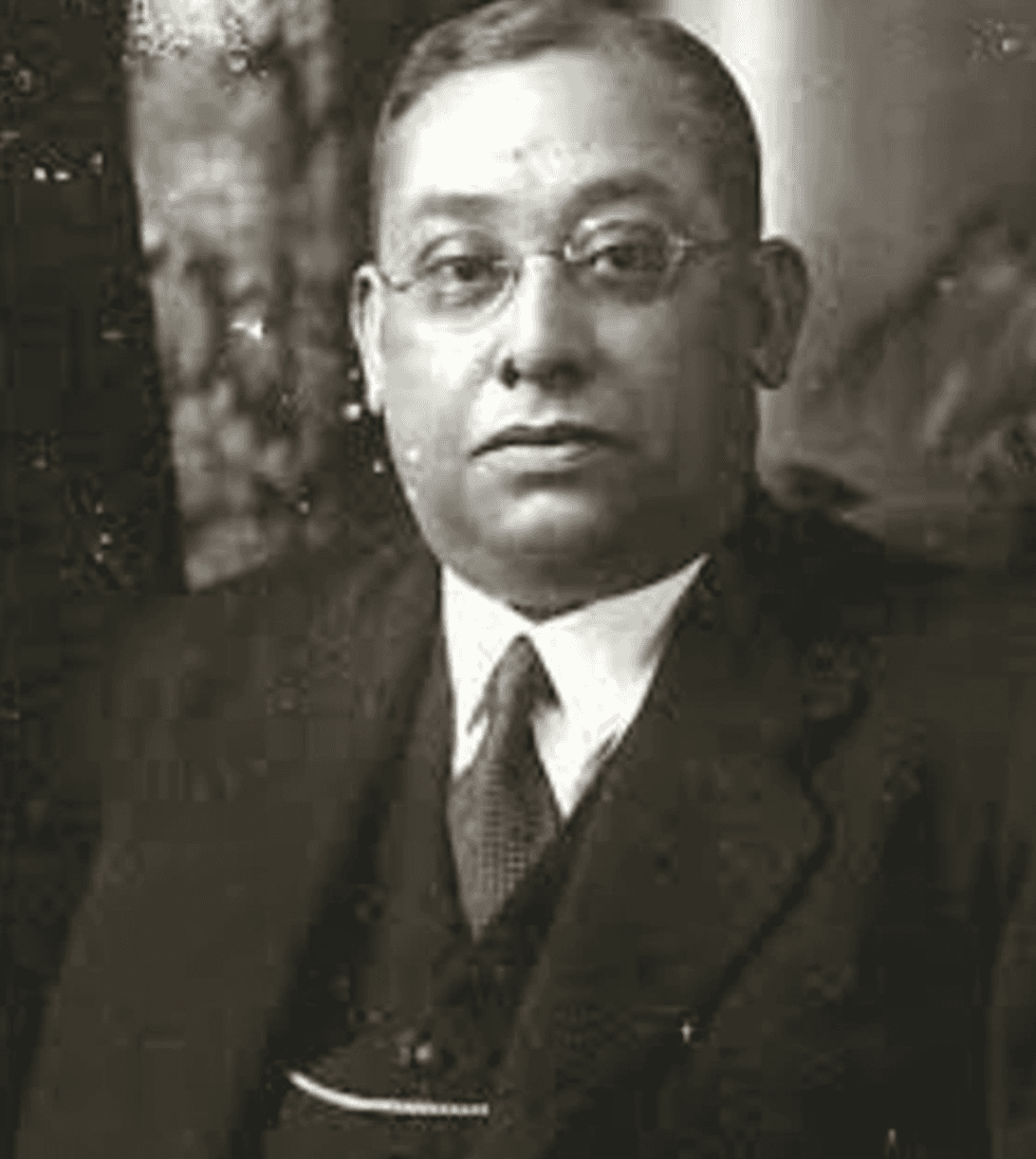
By the time Rash Behari Bose arrived in Japan in 1915, British authorities already knew his name. He had been implicated in the 1912 assassination attempt on Lord Hardinge, the Viceroy of India, when a bomb was thrown at a ceremonial procession in Delhi. Hardinge survived. Bose vanished.
For the British colonial government, Bose was not a dissident to be debated but a fugitive to be captured. What followed was a years-long flight across Asia, using aliases and underground networks, until Bose reached Japan — a country that, at the time, occupied a complicated position in global anti-colonial politics.
Japan would not extradite him, despite British pressure. But asylum alone was not enough. Bose needed housing, money, legal protection, and a way to live without drawing attention.
This is where Shinjuku enters the story.
The Shinjuku family that hid a revolutionary
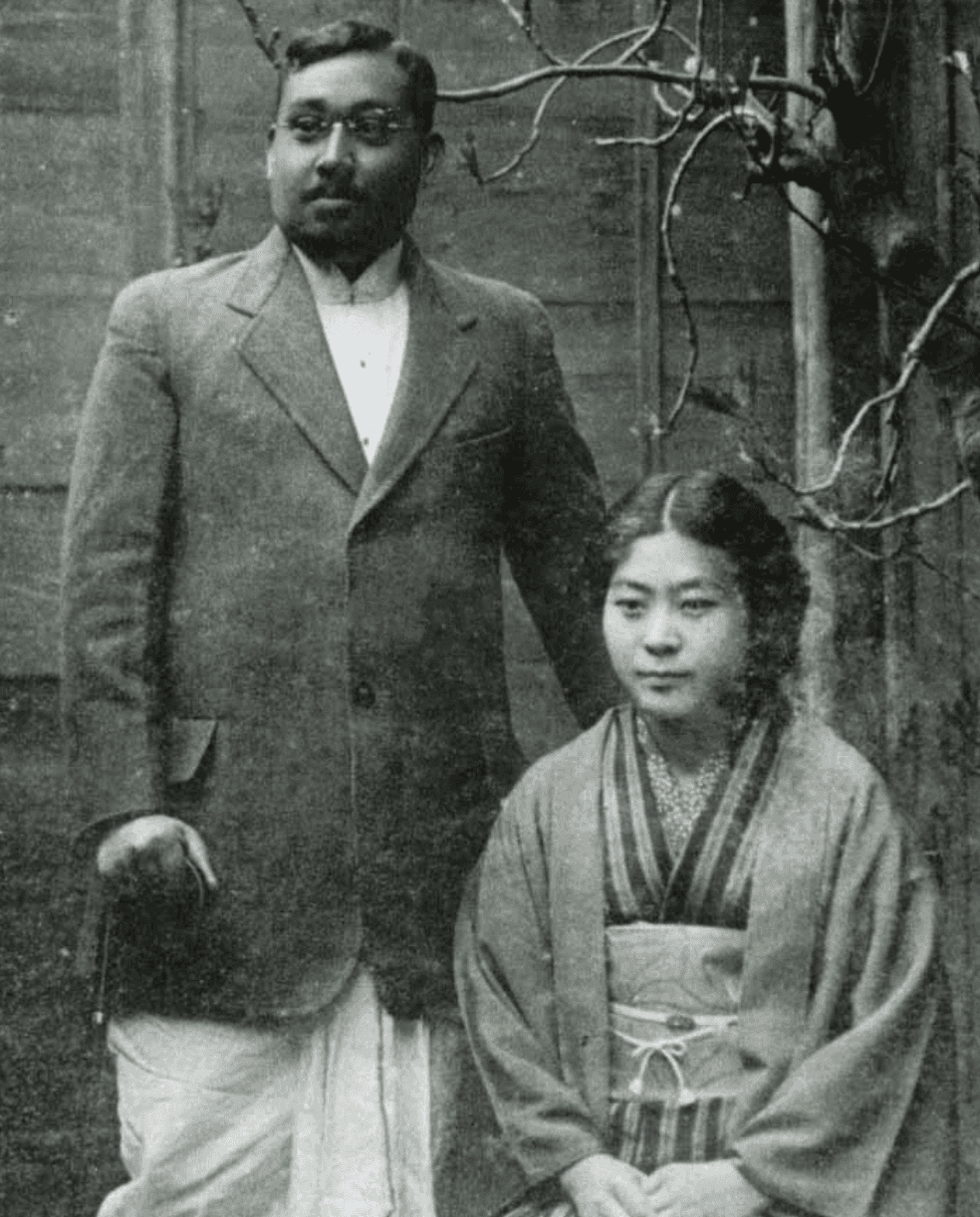
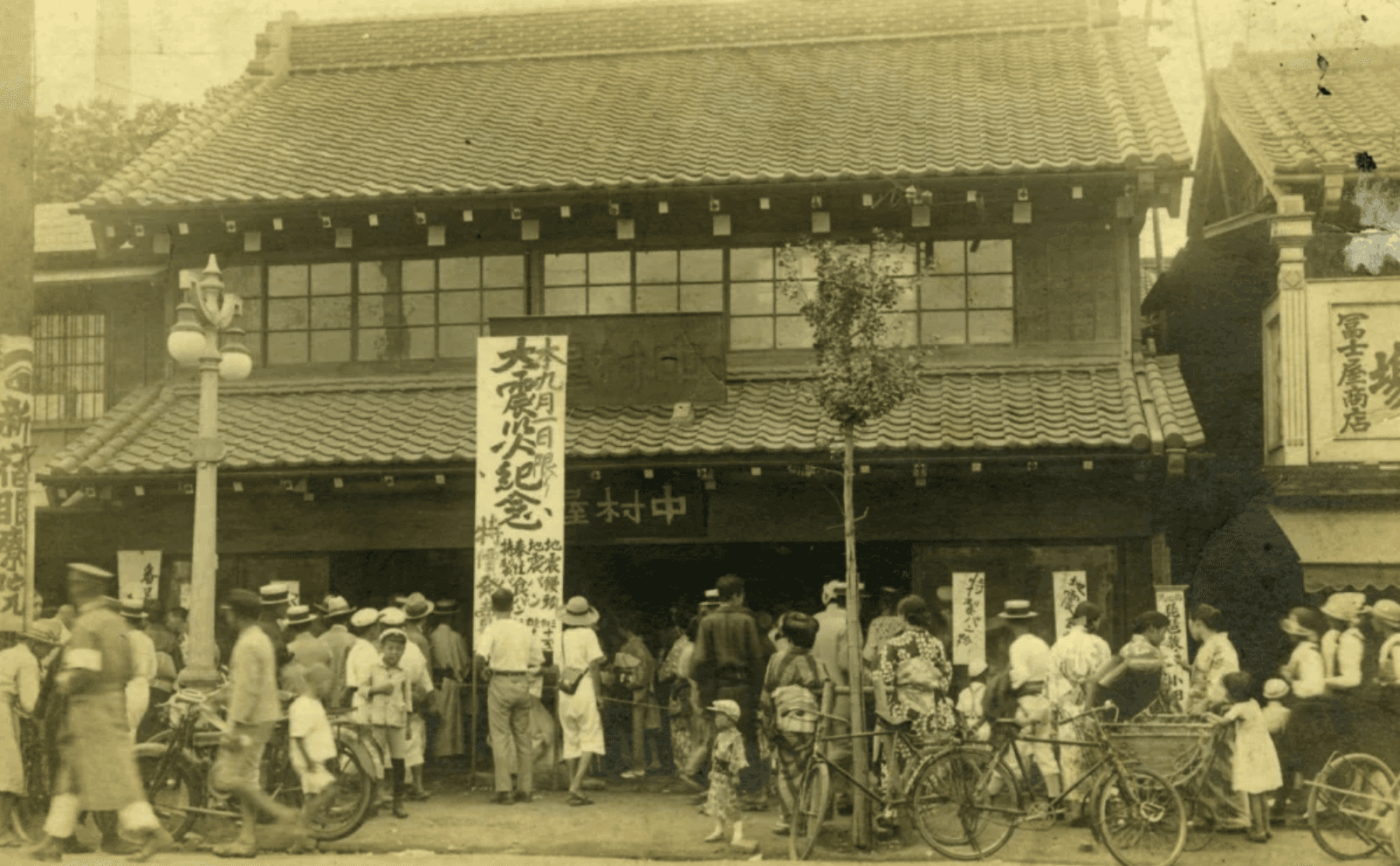
Bose’s survival in Japan depended on a loose, uneven network of supporters connected by pan-Asianist sympathies and practical necessity. These were not formal organizations so much as personal arrangements — people willing to offer housing, introductions, and discretion at moments when British authorities were pressing Japan for his arrest. Among the most consequential of these supporters was the Soma family, proprietors of Nakamuraya, then a growing bakery business in Shinjuku.
Nakamuraya’s own company history records that Bose was sheltered by the family during a period when British authorities were actively requesting his arrest.
For the Somas, harboring Bose meant tying a wanted man’s fate to a family business with a public storefront, employees, suppliers, and customers. It placed an anti-colonial revolutionary inside a commercial space shaped by schedules, cash flow, and visibility. Nakamuraya was not a clandestine operation; it was a bakery operating in one of Tokyo’s fastest-changing districts.
That setting mattered. By the 1920s, Shinjuku was in the midst of rapid transformation. Department stores were opening. Rail traffic was increasing. Footfall patterns were changing. The area was becoming a destination rather than a periphery. Nakamuraya, facing new competition and shifting consumer behavior, began considering how to adapt — specifically, whether to open a cafe space where shoppers could sit and eat, an emerging feature of urban life in the Taisho and early Showa periods.
“If you open a cafe, serve real Indian curry”
According to Nakamuraya’s preserved accounts, Bose made a simple suggestion to the family: if they were going to open a café, they should put Indian curry on the menu. Not the flour-thickened curry rice that had already taken hold in Japan via British naval kitchens and military mess halls, but something closer to what he recognized as Indian food culture.
By the early twentieth century, curry was already firmly established in Japan—just not in a form that had much to do with India. Filtered through British colonial cooking, it arrived as a thick, stew-like dish, built on roux, standardized for institutional use, and paired with short-grain rice. It spread efficiently: through the navy, through the army, through schools. By the time it reached home kitchens, it had become less a regional cuisine than a dependable system.
What Bose proposed was not the introduction of curry to Japan, but a correction to its route. His curry did not pass through Britain first.
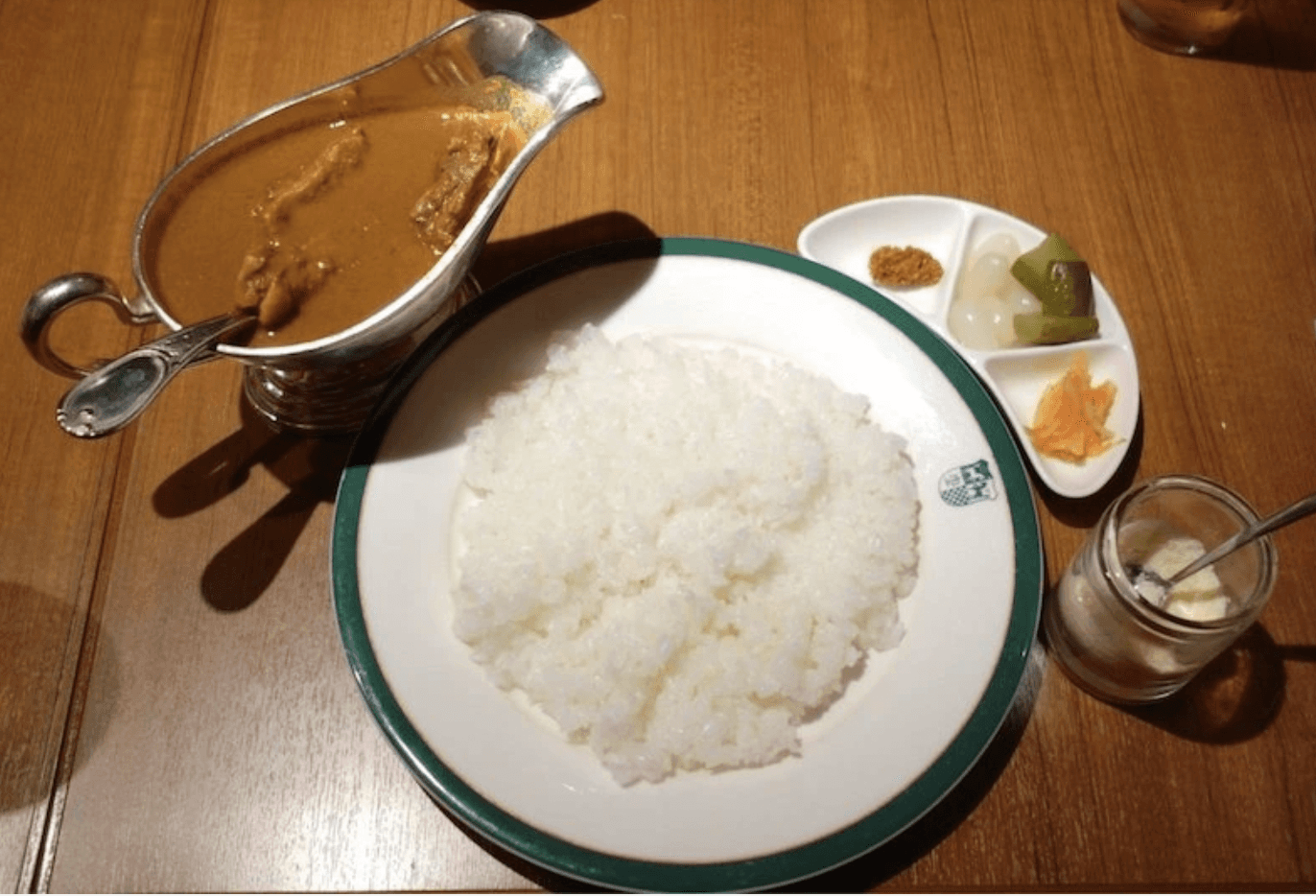
When Nakamuraya’s cafe opened on June 12, 1927, it served what it called pure Indian-style curry. The company still emphasizes two technical details that make the intention clear. The curry used no wheat flour as a thickener, resisting the defining feature of the British-derived version. And it was initially served with Indica rice — a choice that proved too unfamiliar for many Japanese customers and was later adjusted.
That small revision tells the larger story. This was not a performance of authenticity preserved in amber, but a negotiation carried out at the level of texture and taste. Bose’s insistence was not that curry remain unchanged, but that it not be misunderstood.
From plate to legacy
Food has a way of simplifying what politics cannot. Bose’s insistence on “real” Indian curry left behind a dish that could be ordered, adjusted, and remembered without requiring the full context of the life that brought it there. The negotiation that began over rice and thickener would eventually shape how his presence in Japan was recalled at all.
Bose’s later political legacy is substantial — he’s associated with organizing overseas Indian independence activity and with institutions tied to the wartime independence movement, including the Indian Independence League and early scaffolding around the INA story.
But culturally, in Japan, he becomes something stranger: a revolutionary remembered through a restaurant. “Bose of Nakamuraya” persists precisely because it is such an unlikely vessel for political memory — an underground life preserved not in monuments or textbooks, but in a dish that you can still order in Shinjuku.
LATEST