Martina Forasiepi
Gal Is Mind: How Gyaru Conquered the Western Internet
Long after Shibuya’s original gal circles faded, gyaru survives online as both aesthetic archive and emotional refuge for a generation searching for identity, visibility, and belonging.
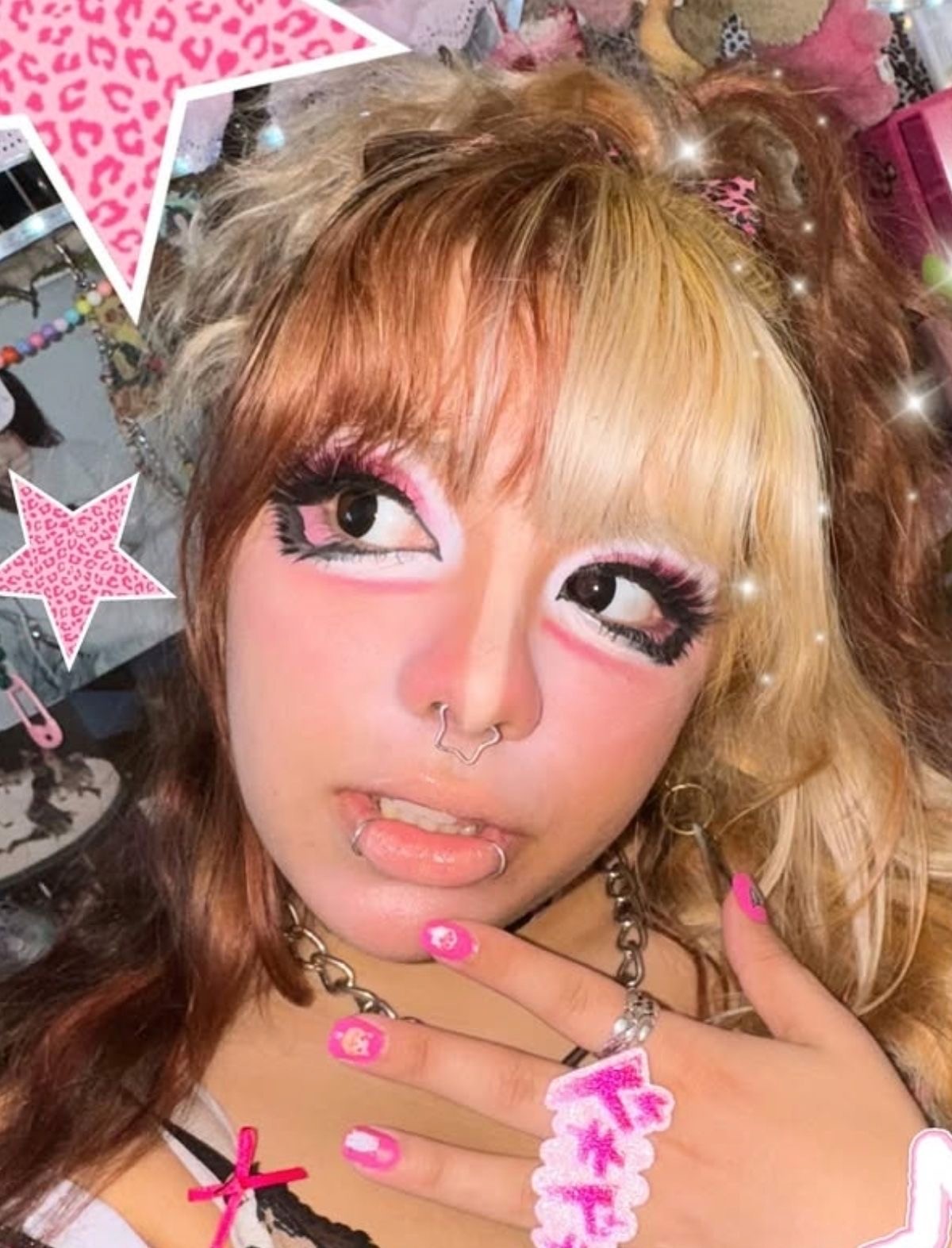
Taking pictures in Shibuya with full gyaru looks is trendy. Especially for foreigners, who return the subculture back to its homeland like a pilgrimage in reverse. Recently, searching for #gyarumakeup on TikTok is more likely to lead to New York gaijin gyarus (as @cinnagal and @rxybxnny), rather than Japanese schoolgirls. Somehow, that movement resonates with them, despite being too young to have ever experienced the original socio-cultural environment that produced it. For something born so locally, gyaru has traveled unusually far.
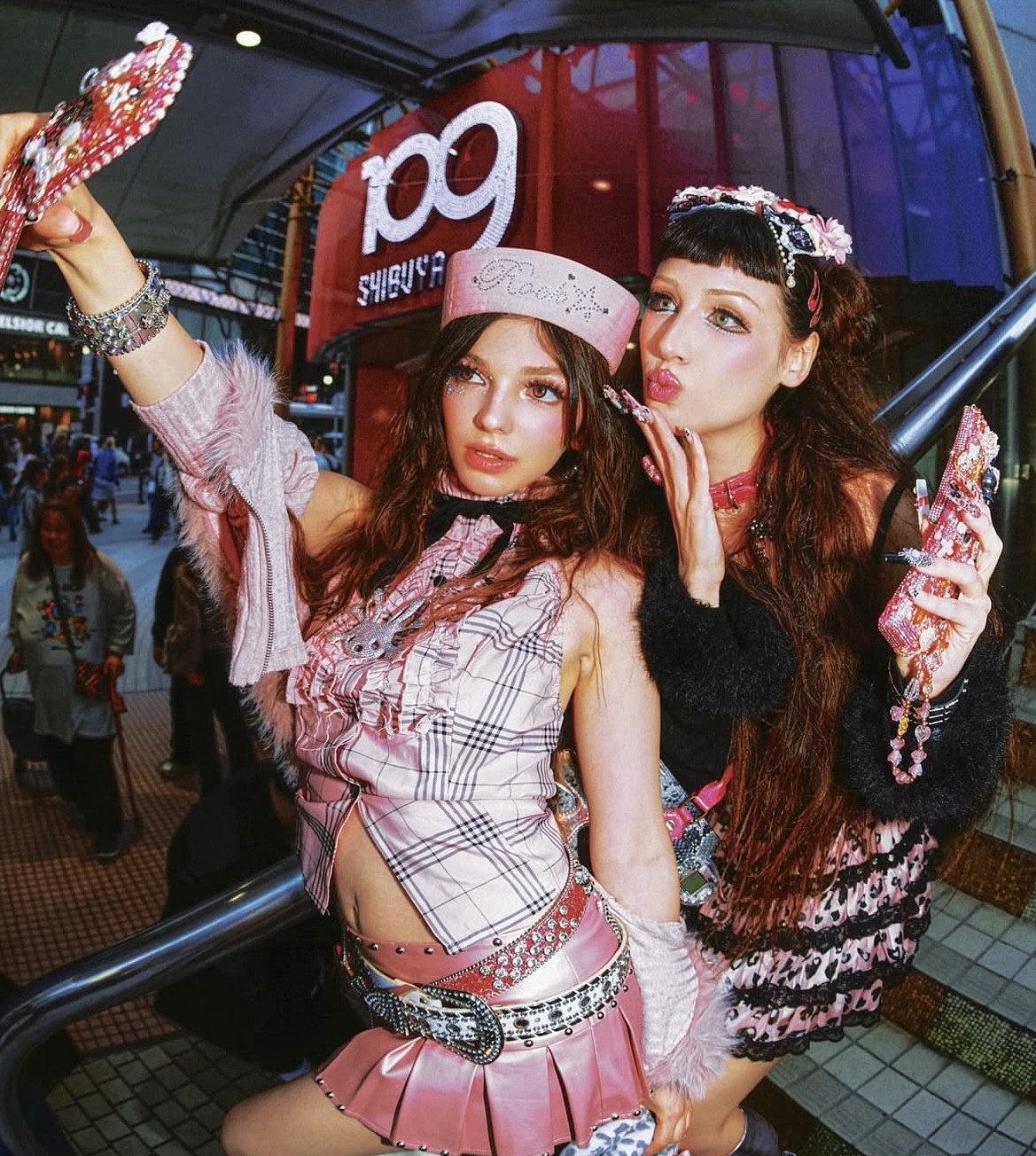
Image: @varyaren (via Instagram)
While its exact origins are hard to locate in time («The gyaru totally came out of nowhere», once said Yasumasa Yonehara, founder of EGG magazine), it was born as a hyperlocal act of refusal against the yamato nadeshiko, the idealised pale, silent, and modest woman. The gals of 1990s Shibuya embodied loud personalities, exhibited self-confidence, sexual awareness, eye-catching looks, tanned skin, slang in between words (the so-called gyaru-go), offering an alternative to young girls who refused to live demurely.
While the mainstream pushed back, as Gyaru was rebranded as vulgar, embarrassing, and incompatible with the demands of adult professional life, and EGG printed its last issue in 2014, Tumblr users started scanning out-of-print magazine pages with archival devotion. Shibuya quieted, as the subculture moved underground, finding a new home on websites like GALREVO. Gyaru translated unusally well online, partly because the subculture had always been accessible. Shibuya 109, the headquarters of gyaru fashion, sold affordable pieces that loosened the aesthetic from rigid class boundaries. Today’s gyaru Western community still replicates the aesthetic and moral codes of their Japanese predecessors; TikTok has just given them a larger stage. And with scale came a new question: when you extract a subculture from the specific act of refusal that created it, what exactly are you left with?
The easy answer is this: the aesthetic. Gyaru's visual language is extraordinarily specific — white concealer as eyeshadow, rhinestone-crusted phone charms, extreme kawaii personalisation — and the simple act of reproducing its imagery also helped it transcend time and space, while its transformative nature let it take on new hair and make-up without ever disappearing over the decades.
What they couldn't carry was context, and gals from Milan and New York know that. Being gal today is still about embracing it without apologising, twisting the community’s shared codes into something that feels personal: «Being a gal is about not caring what other people think of you, not caring about social standards and beauty standards, and also forming a community within the gal community, which is very, very important», says Ray Bunny, describing something considerably more universal than what was happening in 1990s Shibuya. What survived was less the rebellion itself than the freedom embedded within it.
Ironically enough, the gyaru Western community lives primarily on TikTok, one of the platforms the World Happiness Report 2026 associates with declining wellbeing among young people in English-speaking countries and Western Europe, where life evaluations among under-25s have dropped dramatically over the past decade. The report distinguishes between platforms designed for passive scrolling, associated with lower life satisfaction, and those that promote active social connection. Gyarus live inside the former, behaving like the latter. They don't just scroll: they study looks and make-up, practice, post their attempts and receive feedback from other gals. They hype one another up, commenting «you look so good!» and mean it. They carve room for different bodies, skin tones, budgets and interpretations of the style. The subculture that once relied on the physical proximity of gal circles has recreated that sense of acceptance across time zones and languages: the gal circle has gone digital, but its logic — show up, be seen, belong — is a soothing cure to wars, precarious job markets, and economic anxiety piling pressure onto an increasingly unhappy generation. As they say, gal is mind. And the mind, it turns out, knows how to travel.
LATEST