Wakaba Oto
The Best Tattoo-Friendly Sento in Tokyo
From retro neighborhood baths to sleek modern renovations, these six spots offer some of the best places in the city to soak without covering up.
For generations, tattoos and Japanese bathhouses have had a complicated relationship. Historically linked with organized crime, tattoos were often prohibited in onsen and sento, and many establishments still maintain those policies today.
But Tokyo’s bathing culture is slowly shifting.
As younger generations reshape the city’s sento scene — and international visitors become an increasingly familiar presence — some bathhouses have begun welcoming tattooed guests without requiring them to cover up. The result is a new wave of sento that remain deeply rooted in neighborhood tradition while embracing a more open and contemporary atmosphere.
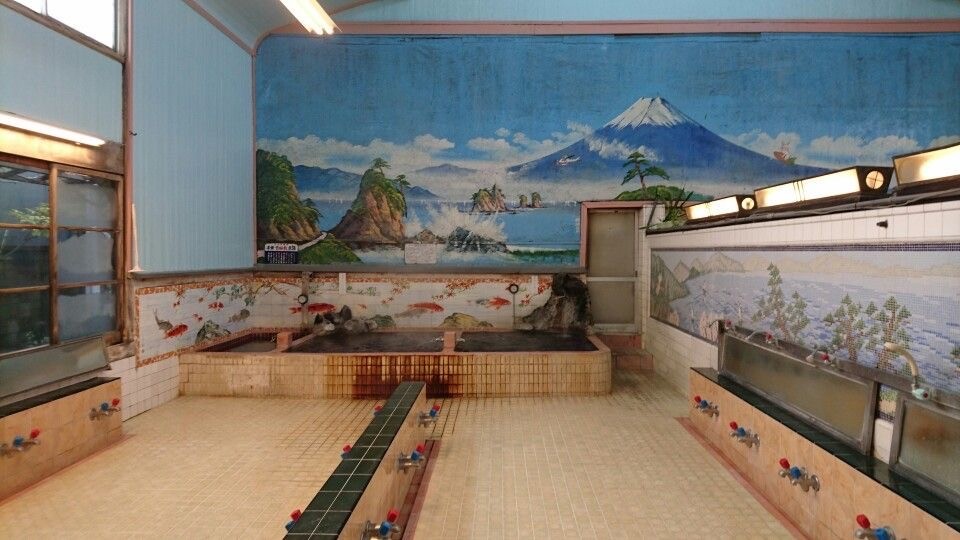
From retro bathhouses crowned with Mount Fuji murals to design-forward saunas tucked into quiet backstreets, these tattoo-friendly sento offer some of the most memorable soaking experiences in Tokyo.
Kairyo-yu (Shibuya)
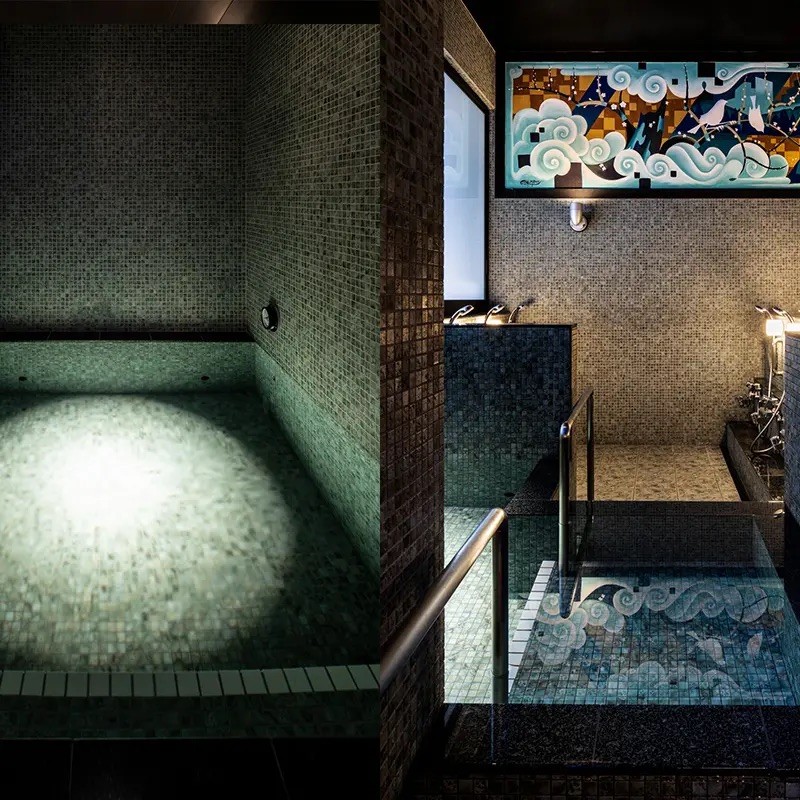
Tucked down a quiet alley near Ebisu, Kairyo-yu feels less like a traditional bathhouse and more like a minimalist nightclub designed for bathing. Originally founded in the early 20th century, the sento underwent a dramatic renovation in 2022 led by renowned sento architect Kentaro Imai.
Inside, sleek black tiles, contemporary artwork and a graffiti-style Mount Fuji mural give the space a distinctly modern edge. The bathhouse features soft-water baths, a carbonated soak, sauna, cold plunge and an open-air atrium where bathers can cool down between sessions. It’s a striking example of how Tokyo’s traditional bathhouses are being reimagined for a new generation.
Mikoku-yu (Sumida)
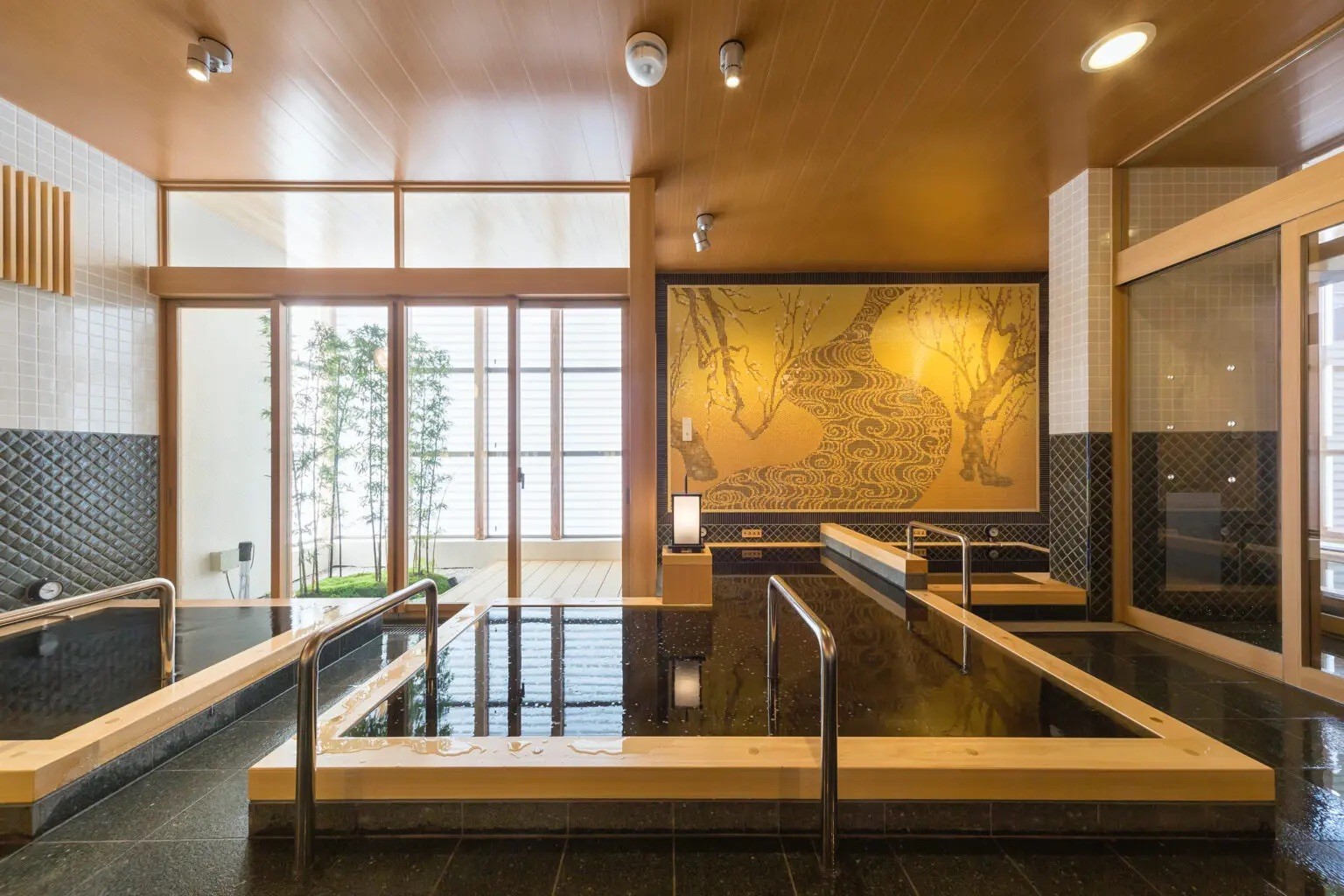
Founded in 1947 and later transformed into a five-story bathhouse, Mikoku-yu offers one of Tokyo’s most distinctive bathing experiences. Its most notable feature is its naturally dark mineral water, drawn from deep underground and tinted almost obsidian in color.
The baths range from gentle soaking pools to hotter therapeutic tubs, while a semi-open-air bath offers views toward the Tokyo Skytree. Locals swear by the mineral-rich waters, believed to help with circulation and muscle fatigue. Despite its dramatic design and multi-level layout, Mikoku-yu retains the friendly, neighborhood atmosphere that defines many of Tokyo’s best sento.
Kotobuki-yu (Asakusa)
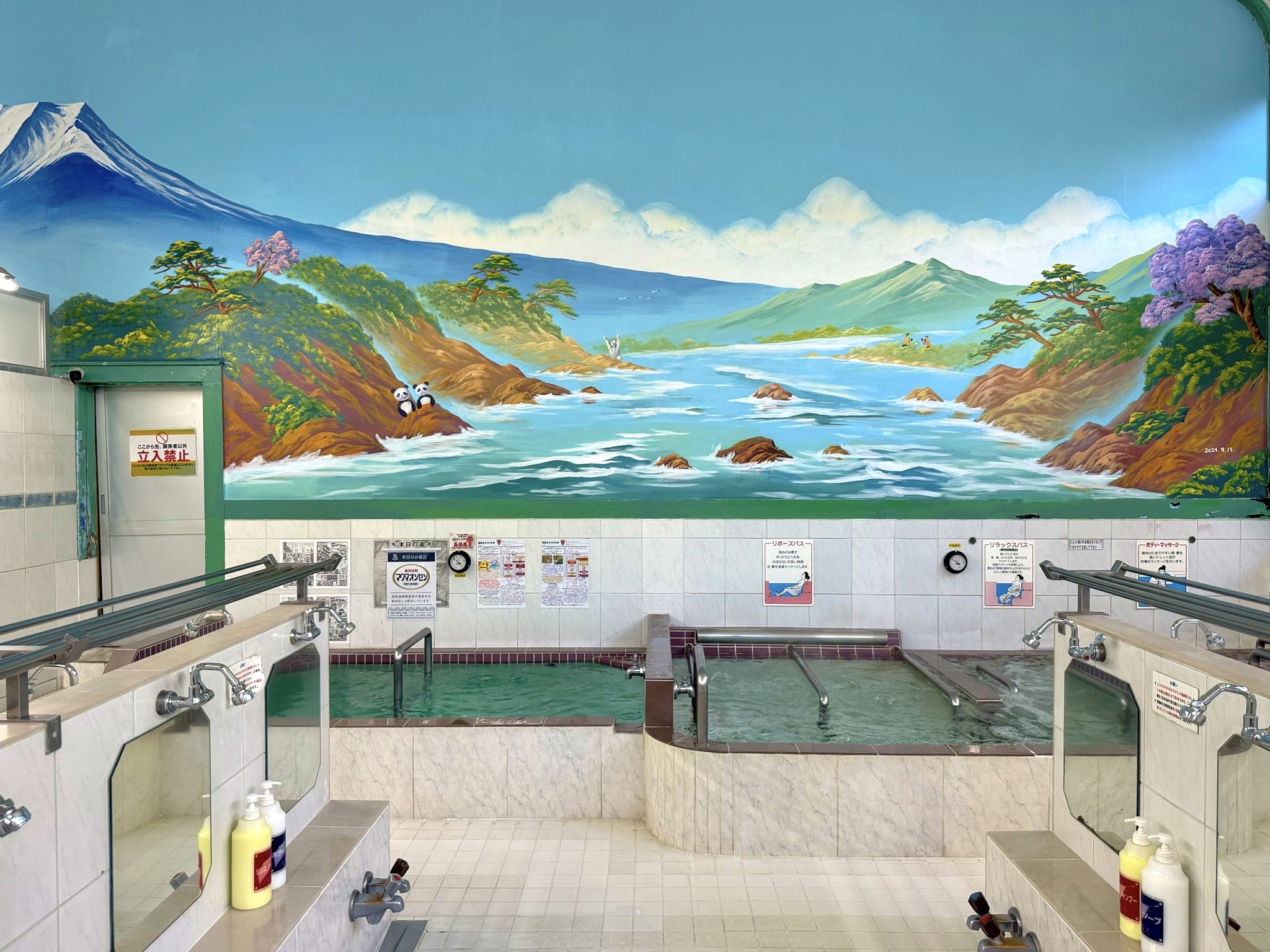
With its temple-style facade and dramatic Mount Fuji mural stretching across the bathing hall, Kotobuki-yu captures the nostalgic grandeur of old Tokyo bathhouses.
Inside, the spacious facility offers five baths, including open-air rotenburo and rotating medicinal baths infused with herbs and seasonal ingredients. Open until 1:30 a.m., Kotobuki-yu has become a favorite late-night stop for both locals and travelers winding down after exploring nearby Asakusa.
Tatsumi-yu (Kiyosumi-Shirakawa)
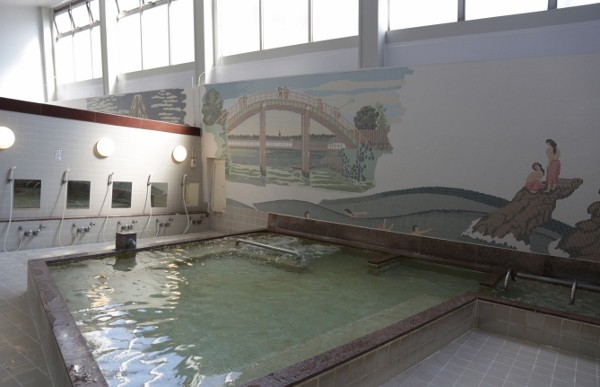
Operating since 1963, Tatsumi-yu remains a beloved neighborhood bathhouse known for its relaxed, communal atmosphere.
The bathing hall includes large jet baths, a cold plunge and a sauna, alongside a rare open-air rotenburo overlooking a small garden. Beyond the baths, the lounge area is stocked with shelves of manga — and it’s not uncommon to see visitors alternating between soaking and reading for hours at a time. In many ways, Tatsumi-yu embodies the everyday charm that keeps Tokyo’s sento culture alive.
Daikoku-yu (Oshiage)
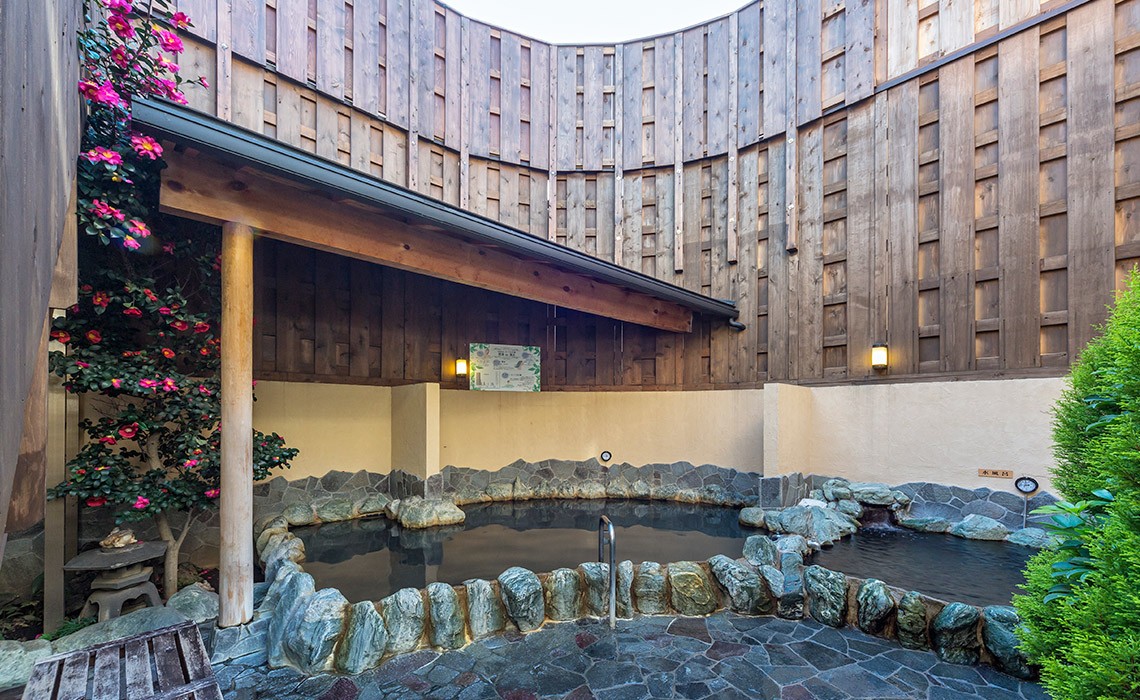
Established in 1949, Daikoku-yu is one of Tokyo’s most atmospheric bathhouses. Fed by a deep underground sodium-rich spring, it offers one of the city’s rare onsen-style experiences within the urban landscape.
The highlight is its serene outdoor bath, where bathers can soak while gazing up at the towering silhouette of Tokyo Skytree. Inside, the retro bathing hall features a wooden ceiling and a classic Mount Fuji mural, creating a space where tradition and modern Tokyo coexist effortlessly.
Kogane-yu (Sumida)
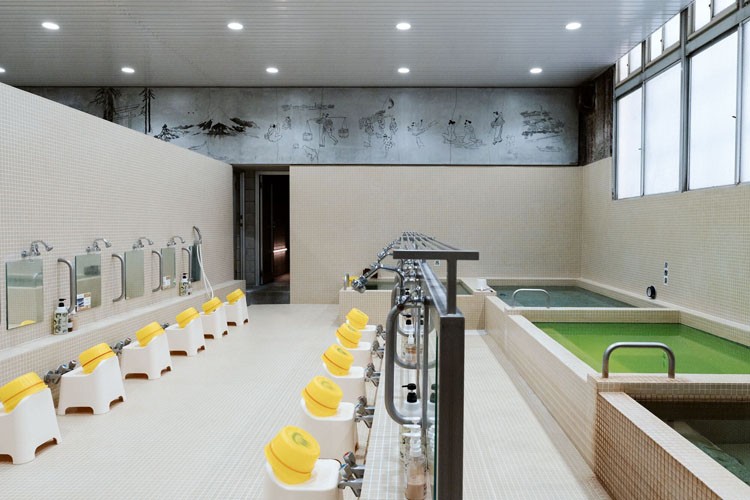
Few bathhouses represent the revival of Tokyo’s sento culture quite like Kogane-yu. After a full renovation, the century-old bathhouse reopened in 2020 as one of the city’s most stylish sauna destinations.
Designed with industrial materials, modern lighting and contemporary art installations, the space blends Finnish-style saunas, cold plunges and carbonated baths with the warm community spirit of a traditional sento. It’s a favorite among young creatives and design lovers seeking a bathhouse experience that feels both modern and deeply rooted in Tokyo culture.
Soaking in Tokyo’s New Bathhouse Era
Tokyo’s sento have always been places where neighbors gather, unwind, and wash away the day. As the city changes, these bathhouses are evolving too — balancing tradition with a more open and inclusive atmosphere. For tattooed bathers, they offer something increasingly rare: the chance to experience one of Japan’s oldest communal rituals exactly as it was meant to be.
LATEST