Wakaba Oto
What People Get Wrong About “Wabi-Sabi”
How a philosophy rooted in restraint and impermanence was accidentally repackaged for the internet age.
The moment wabi-sabi became a buzzword, it stopped being wabi-sabi.
Once a Japanese philosophy of perception rooted in impermanence and restraint, wabi-sabi has been flattened into an aesthetic shorthand for imperfection. Across social media, lifestyle platforms, and design culture, the phrase now circulates freely — applied to chipped ceramics, crooked furniture, unfinished thoughts, even personality quirks — signaling a relaxed, anti-polish sensibility. The implication is generous: flaws are beautiful, uniqueness should be embraced, perfection is overrated.
None of this is wrong, exactly. But it is incomplete. And in the case of wabi-sabi, incompleteness without discipline misses the point.
How wabi-sabi took shape
The trouble begins with the words themselves. Wabi and sabi did not start out as compliments.
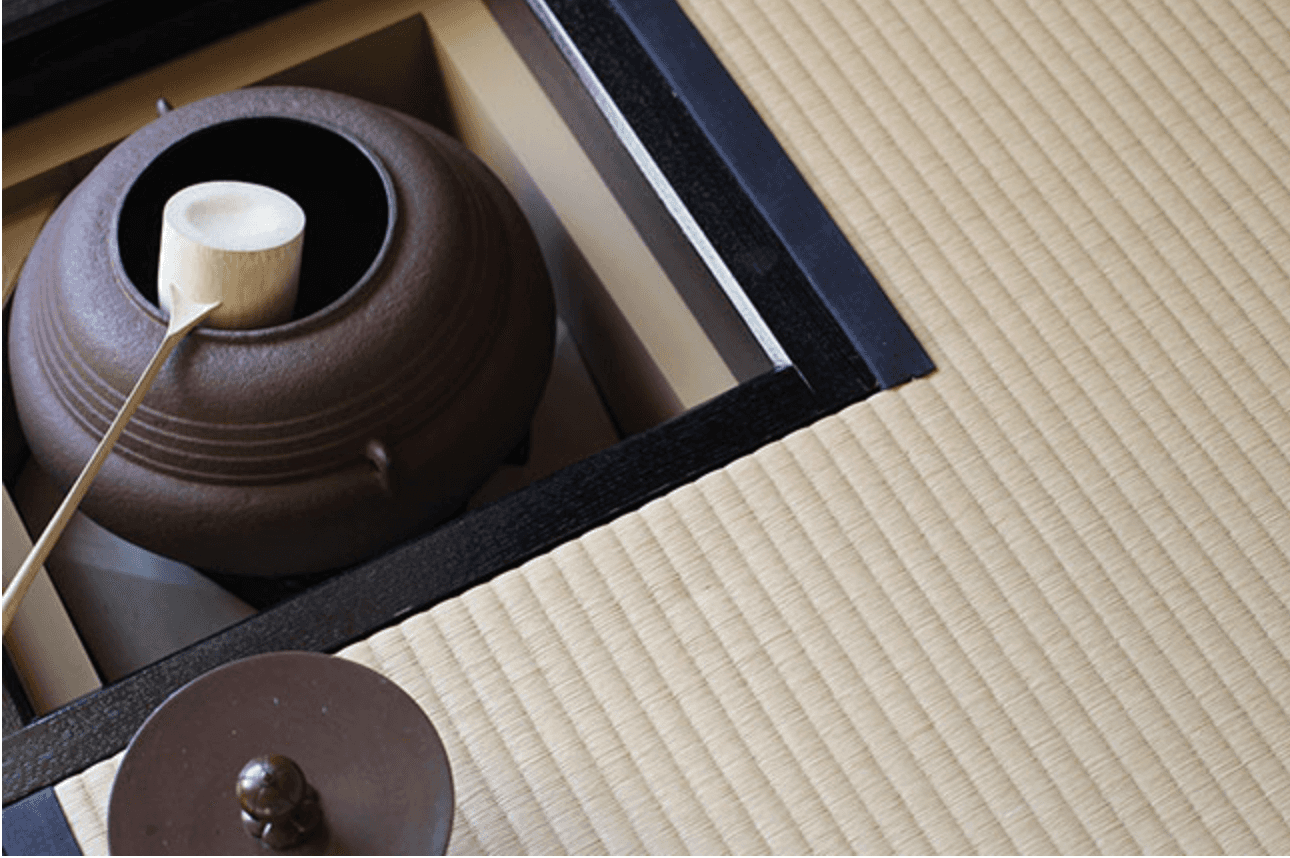
Wabi once named deprivation — loneliness, disappointment, the ache of wanting what cannot be had. Over time, particularly from the Muromachi period onward, it softened into something more demanding: the discipline of accepting constraint and finding steadiness within it. Sabi, meanwhile, refers to age and patina — the way time inscribes itself onto surfaces, producing a subdued beauty inseparable from loneliness and decay.
From meaning to practice
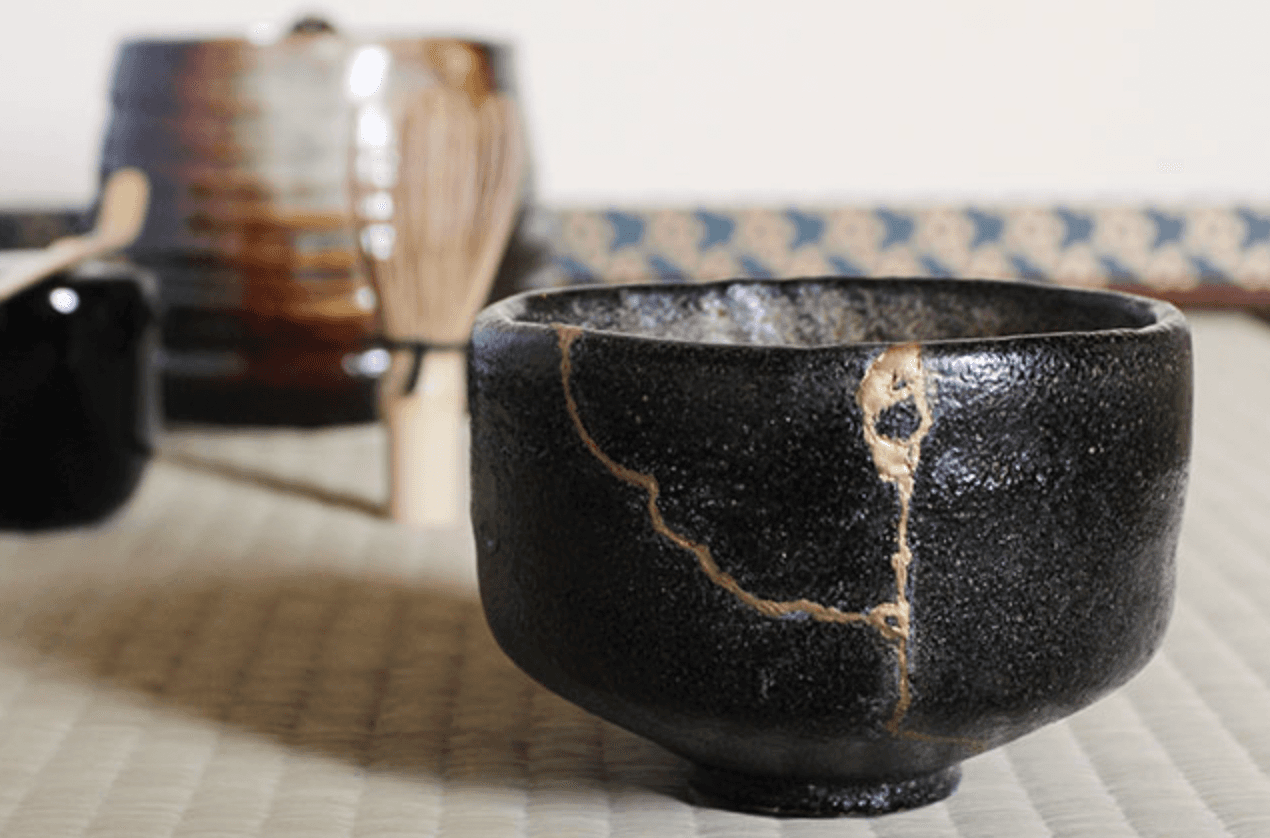
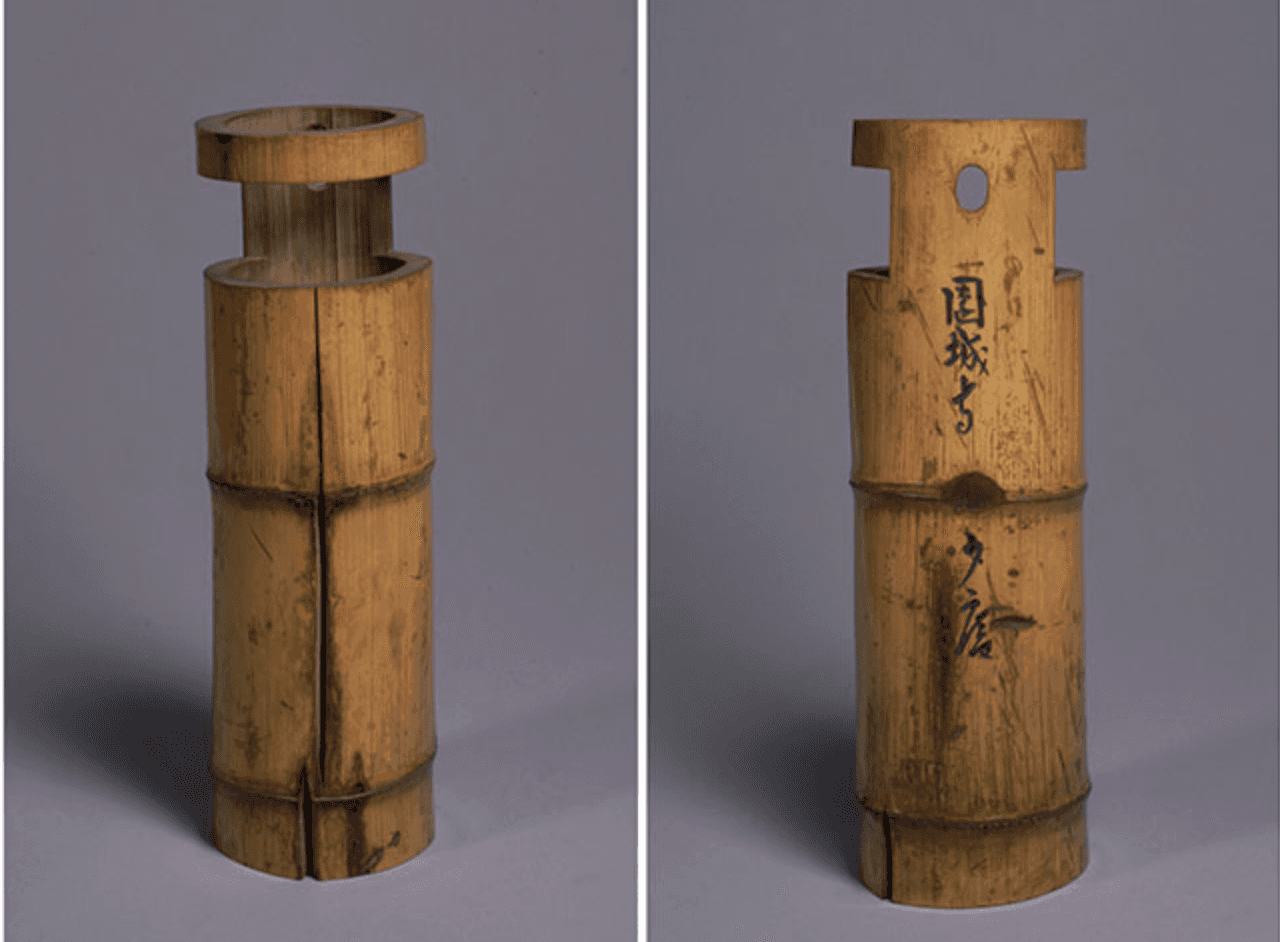
Historically, this sensibility was cultivated deliberately, most clearly through the practice of tea. In the fifteenth century, tea gatherings among Japan’s elite functioned as displays of wealth and taste, centered on imported Chinese ceramics prized for their refinement and cost. Murata Juko challenged this hierarchy by advocating for simple, locally made utensils — bowls with uneven rims, rough glazes, and visible traces of the hand that shaped them.
This was not a rejection of beauty, nor an embrace of poverty for its own sake. It was a deliberate redirection of attention. Lavish objects invited comparison and status-conscious admiration; humble ones did not. Their value lay in use rather than display, in touch rather than visual impact.
The ethos was refined further by Sen no Rikyu, who extended these principles into the architecture of the tea room itself. His most famous innovation, the nijiriguchi, was a low, narrow entrance that required all guests — regardless of rank — to bow and crawl to enter.
The tea room thus became a training ground for perception. By limiting space, ornament, and social distinction, it demanded presence. What mattered was not the object itself, but how one encountered it — carefully, attentively, without excess.
The same sensibility governs classical Japanese poetry. Haiku, often described as the shortest poem in the world, consists of just seventeen syllables arranged in a 5-7-5 structure. But it did not begin as a stand-alone form. It evolved from tanka, an older poetic structure of 5-7-5-7-7 syllables. In tanka, the opening lines present an image or emotional situation, while the final two offer a response or reflection. Haiku emerged by deliberately removing that closing portion. The missing lines are not a gap to be filled, but an invitation. Meaning is left to the reader. If there are a hundred readers, there are a hundred valid interpretations.
This preference for incompleteness reflects a broader Japanese aesthetic that values what is left unsaid and unseen. When meaning is not fully articulated, attention shifts. Rather than being instructed how to feel, the reader is asked to participate — to complete the experience through attentiveness.
This is what often gets lost in contemporary interpretations. Wabi-sabi is not about things looking rough, natural, or handmade. It is about how one encounters them.
The Bobby Hill problem
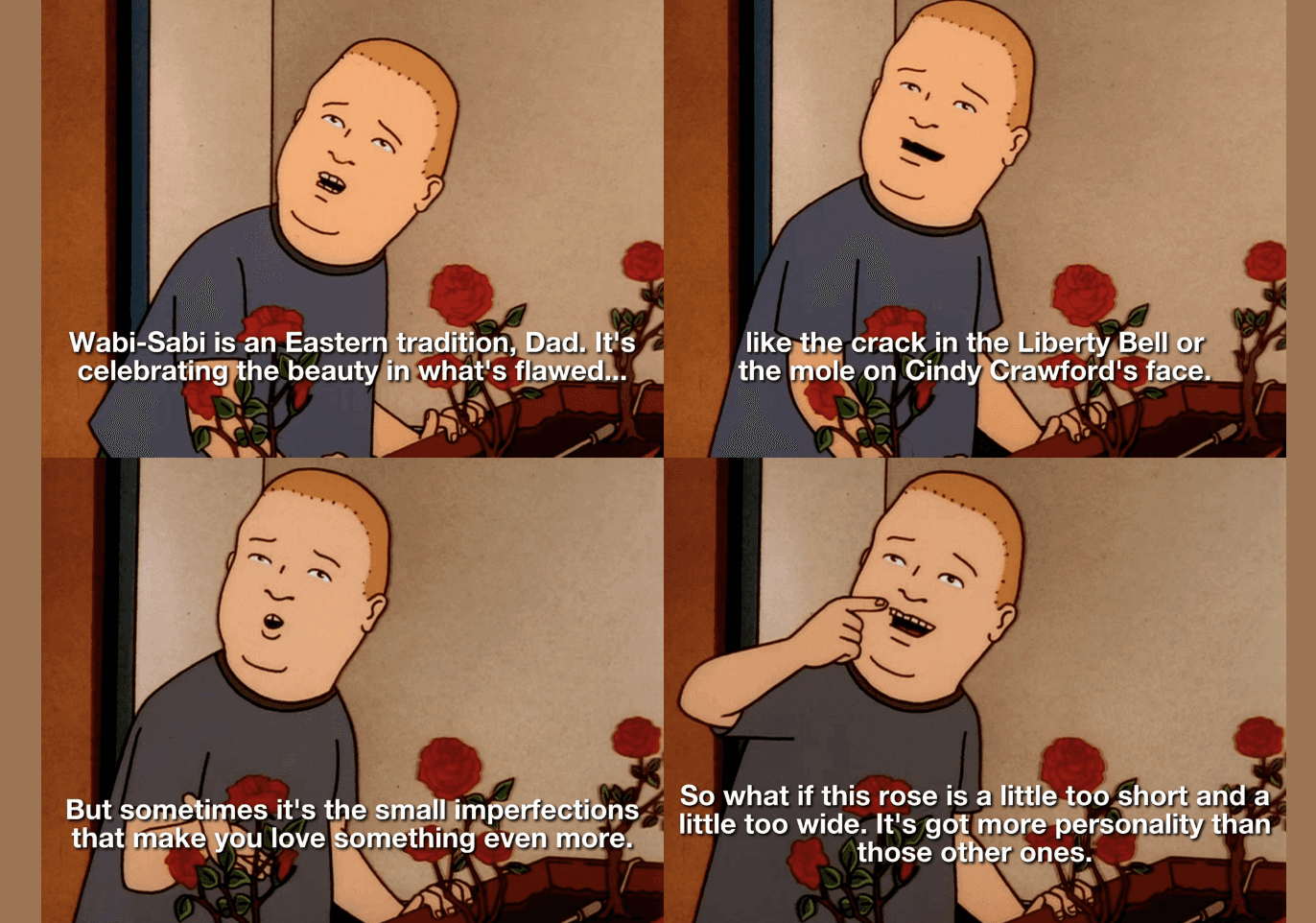
The internet’s recent rediscovery of wabi-sabi — sparked, improbably, by a resurfaced King of the Hill clip in which Bobby Hill defends a flawed rose — captures both the appeal and the misunderstanding. The moment works because it gestures toward empathy: the idea that worth isn’t contingent on perfection.
But wabi-sabi is not self-esteem language. It does not exist to reassure. When it entered global circulation through writers like Okakura Tenshin, Bernard Leach, and later Leonard Koren, the aim was translation, not simplification. What traveled west was a difficult idea: that beauty is not something to optimize.
Online, wabi-sabi now circulates alongside “soft life” aesthetics, wellness content, minimalist interiors, and brand storytelling that sells effortlessness as virtue. It becomes a way to aestheticize imperfection without engaging time, labor, or discipline. A chipped mug becomes charming. A poorly finished object becomes “raw.” Neglect is reframed as intention.
In contemporary Japan, wabi-sabi is rarely used this way. When invoked, it is often academic, ironic, or weighted with cultural context. Its casual deployment abroad — especially as a design trend or personal mantra — reveals less about Japanese philosophy than about a Western appetite for “authenticity” that can be consumed without obligation.
What resists translation
The problem is not that wabi-sabi has traveled, but that it has sometimes traveled faster than the practices that once gave it shape. Detached from tea, poetry, ritual, and time, it can begin to look like an aesthetic style rather than a way of seeing.
Wabi-sabi was never simply about celebrating imperfection in the abstract. It was about learning how to encounter impermanence without spectacle. That discipline does not scale well, does not photograph easily, and does not fit neatly into trend cycles. But perhaps that is also why the idea continues to draw people in. Beneath the buzzword is a quieter invitation: to slow down, to notice, and to meet the world as it is, rather than polishing it into something else.
LATEST