Wakaba Oto
Inside the Gothic World of Tokyo Dancer Amemiya Ryuichiro
Blending Japanese horror imagery, avant-garde fashion, and dance, the Tokyo-based performer has built a style rooted in self-expression.
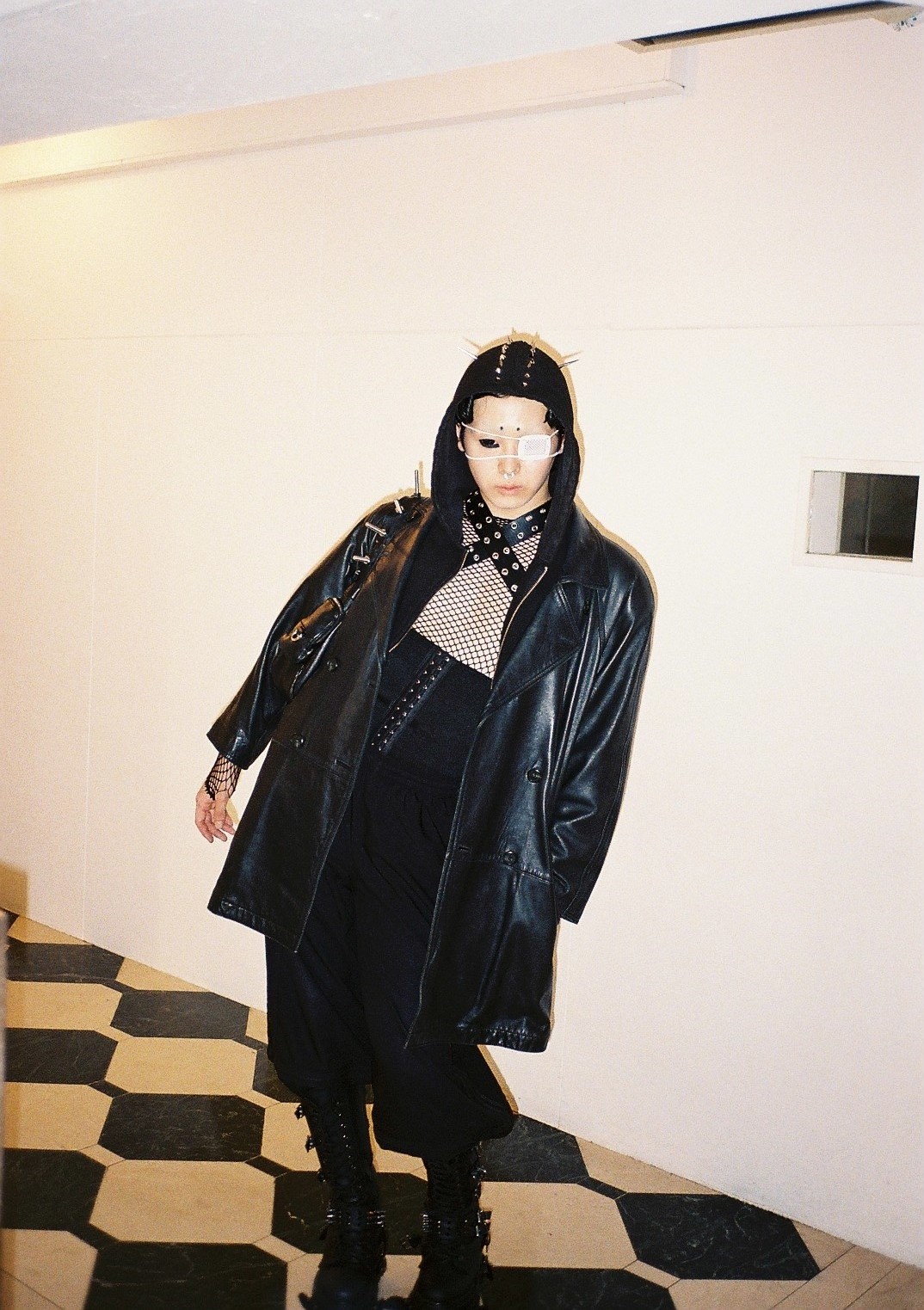
At night in Harajuku, pedestrians pause as soon as they see Amemiya Ryuichiro. Dressed in layers of black leather, mesh, straps, and metal hardware, the dancer and choreographer cuts a striking figure against the ordinary backdrop of Tokyo streets. A hood fitted with small spikes frames his face, while a translucent visor covers one eye, giving him the appearance of a character pulled from a dystopian film or underground club scene.
“What I value most is imagery,” he says. “Something like Japanese horror.”
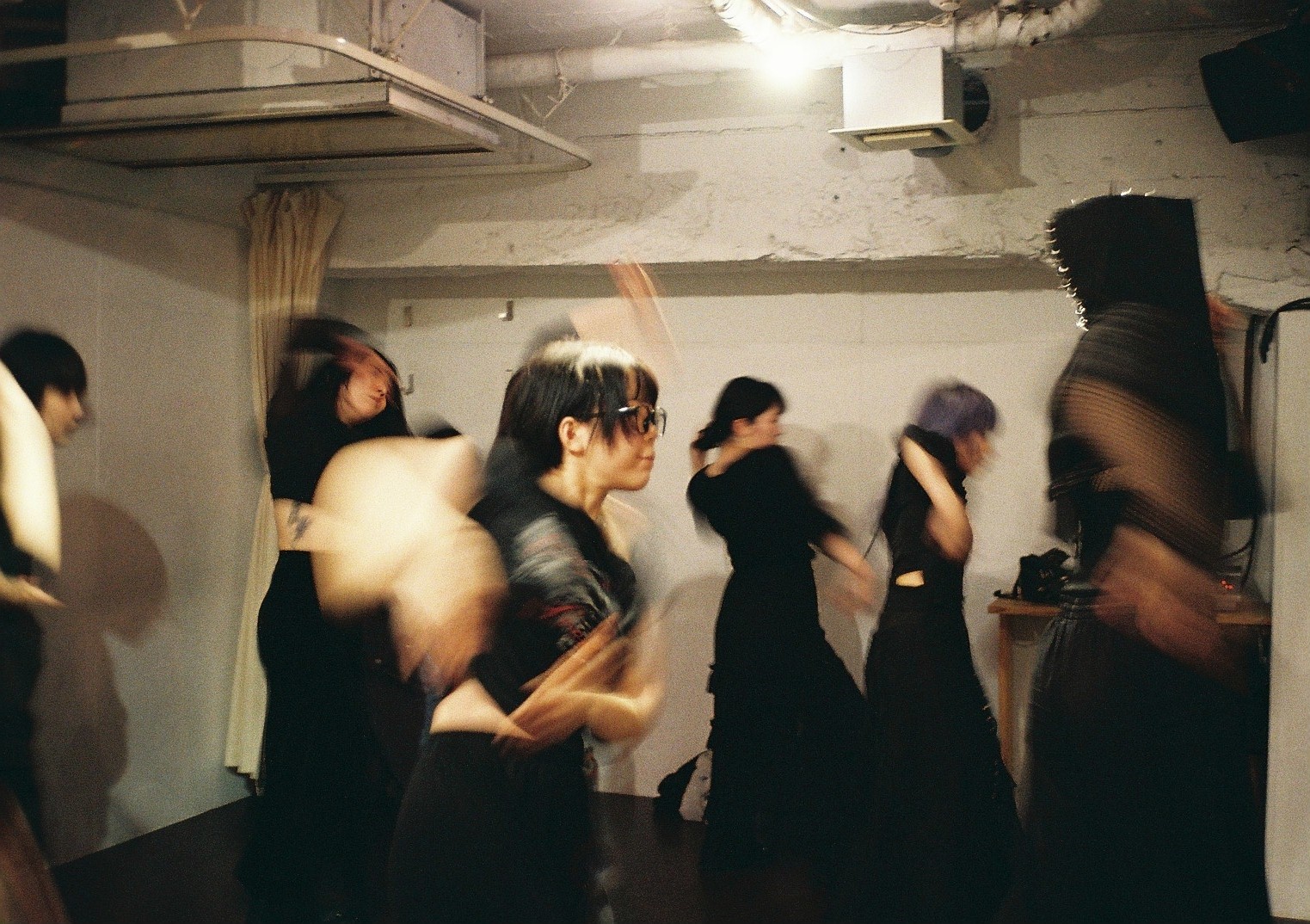
The reference is fitting. Amemiya’s work draws heavily from the visual language of Japanese horror films, gothic fashion, industrial aesthetics, and avant-garde performance. His movements are sharp and controlled, often emphasizing exaggerated hand gestures and rigid, angular poses. Even in conversation, he carries himself with a certain theatrical precision, though offstage he speaks softly and thoughtfully.
Amemiya began dancing in high school after joining a dance club. At first, he experimented with different styles, but over time he gravitated toward darker, more visually expressive forms of performance. Eventually, the aesthetic became inseparable from the dancing itself.
“When I wear costumes while dancing, it gives me confidence,” he says. “But more than that, it feels freeing — like I can express parts of myself I normally can’t.”
That sense of freedom is central to the persona he has built. While Tokyo has long been associated with fashion subcultures and experimental self-stylization, Amemiya’s work feels less trend-driven than deeply personal. The clothing and makeup are not simply visual accessories to the performance; they are part of a broader process of self-definition.
For much of his childhood, he says, he felt pressure to suppress the things he naturally gravitated toward.
“Ever since I was little, there were things that felt normal to me, but other people thought were strange,” he says. “Everyone else liked Doraemon, or blue and black, while I liked Dokin-chan and pink.”
He laughs slightly while recalling it, but the comment points toward a broader discomfort with rigid expectations around taste, gender, and self-presentation. Performing eventually became a way to stop filtering those instincts.
“I spent a long time suppressing that side of myself,” he says. “But once I started embracing this kind of expression, I felt lighter. Maybe this is who I really am.”
Tokyo’s fashion and club scenes have historically created room for forms of identity that might feel out of place elsewhere, from visual kei and gothic lolita to underground performance art. But even within those spaces, Amemiya’s presence stands out for its sincerity. His work does not feel ironic or detached. Instead, it reflects a straightforward desire to externalize parts of himself that once felt difficult to show publicly.
That sincerity also shapes the advice he offers to others.
“You shouldn’t cause trouble for other people, of course,” he says. “But if there’s something you truly want to do, even if it feels difficult, I think you should first try taking action. Just try it.”
LATEST